 en
en
 English
  русский
  Français
  عربى
عربى 
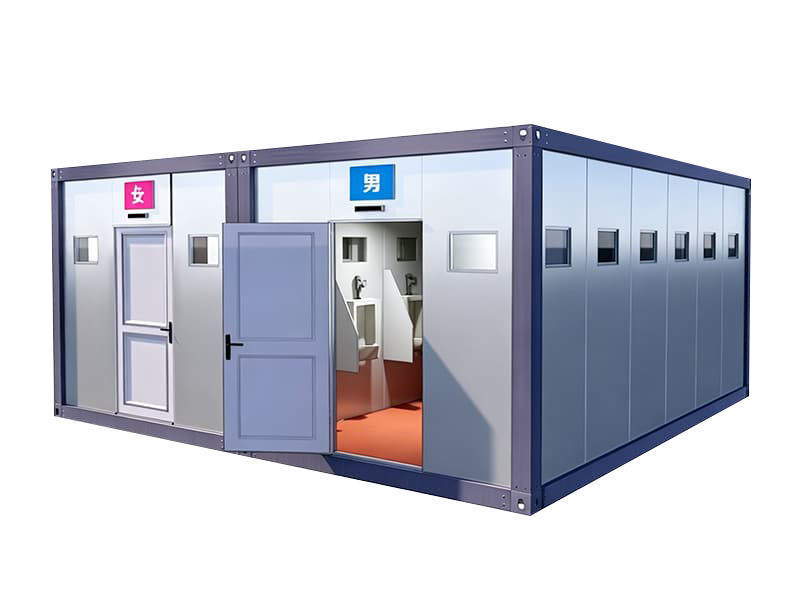

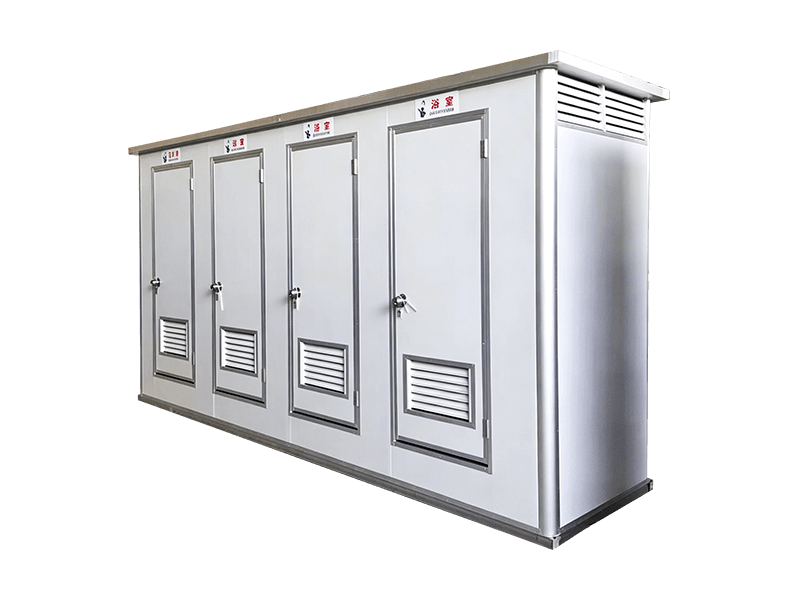
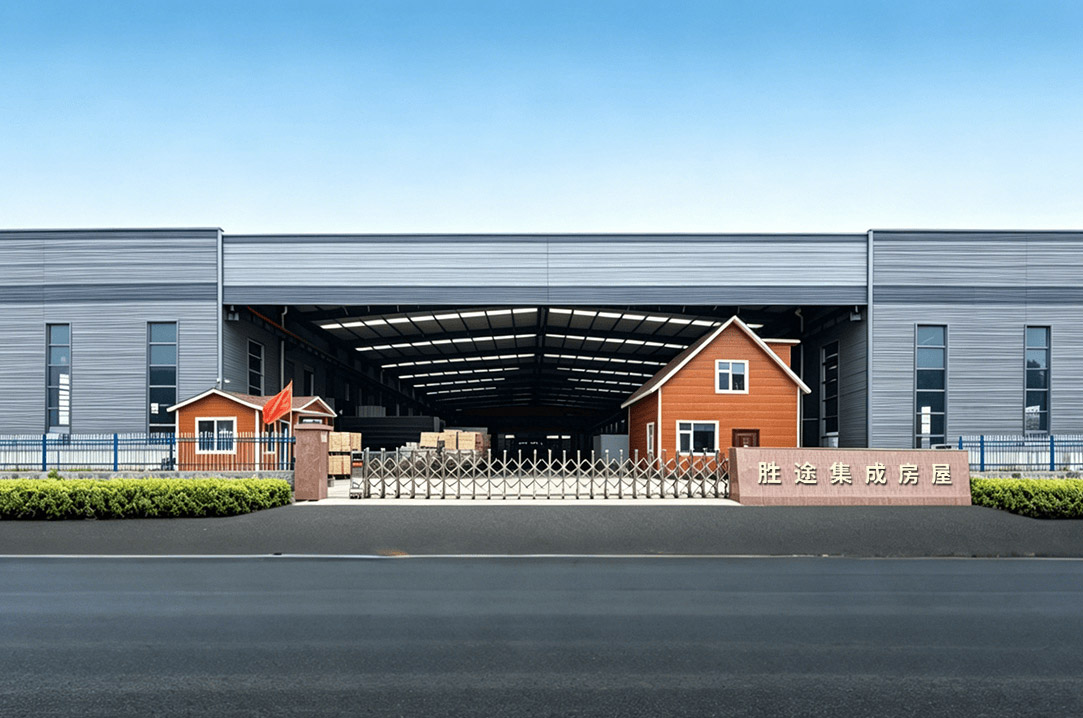
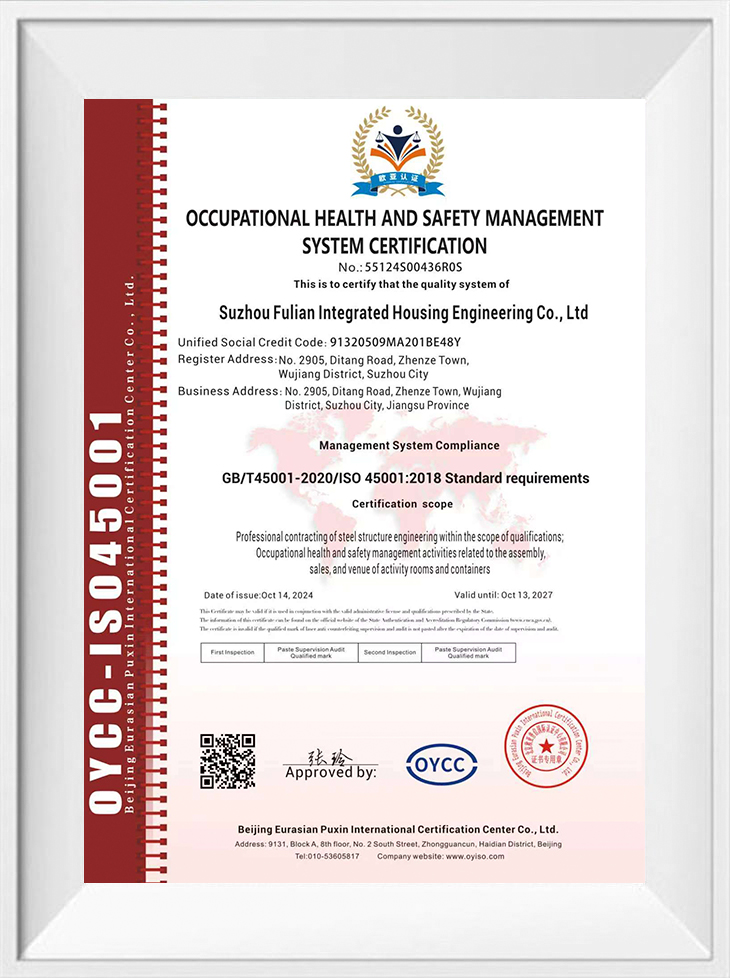
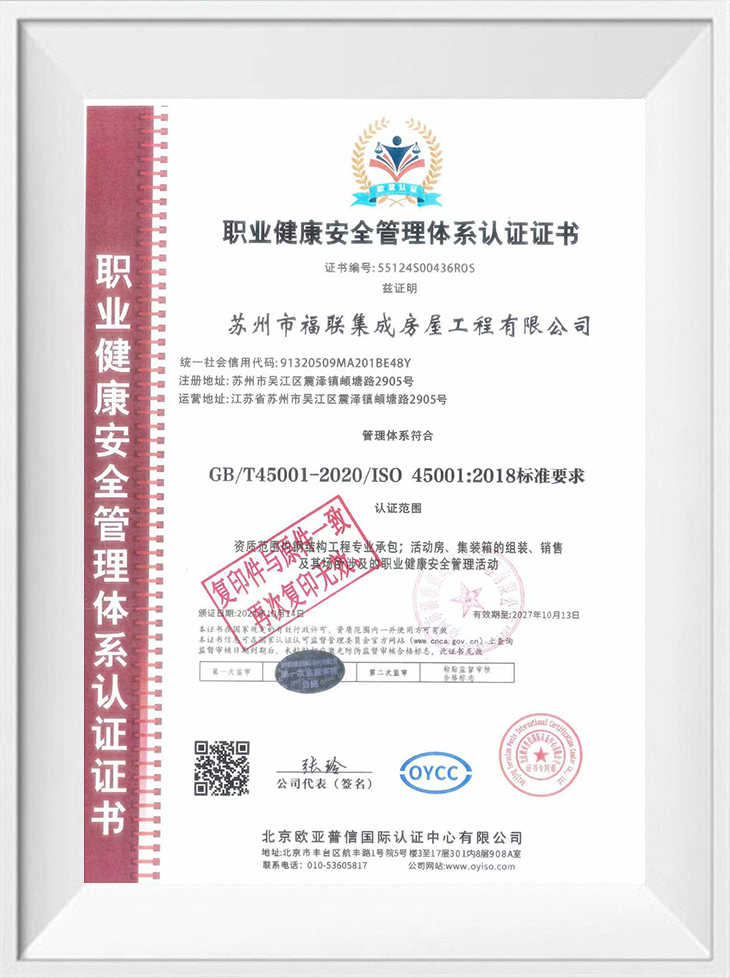
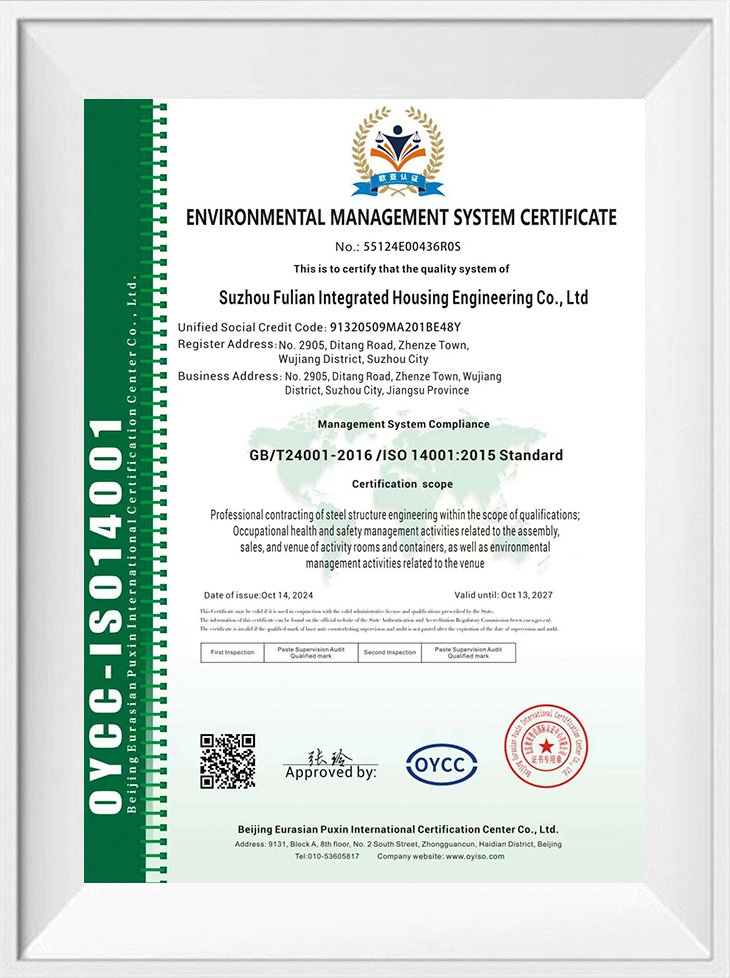
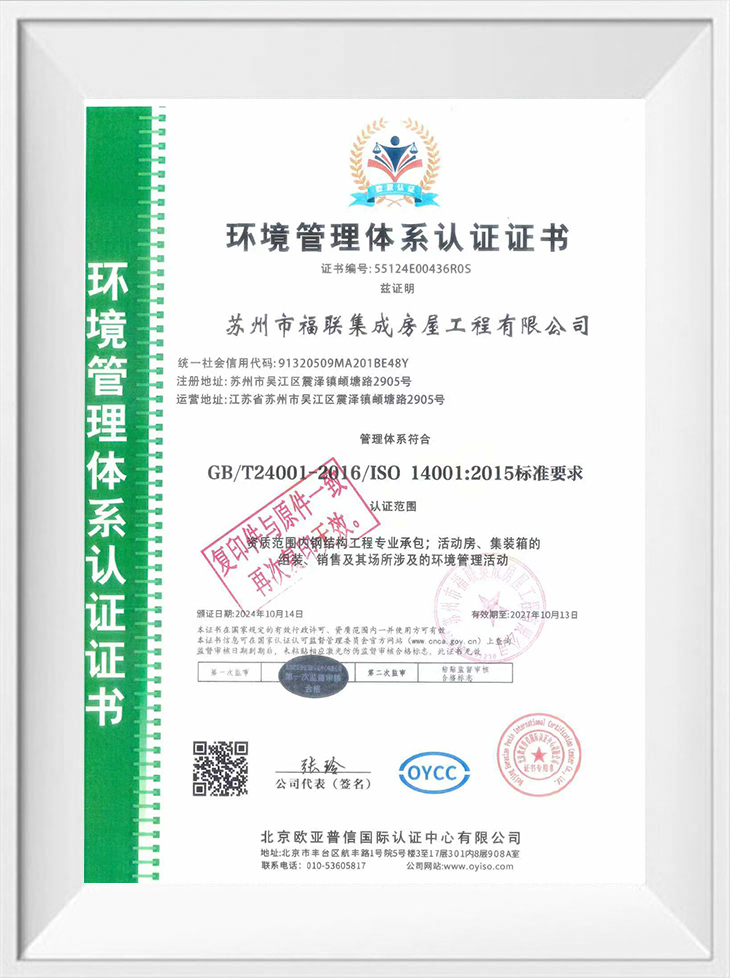
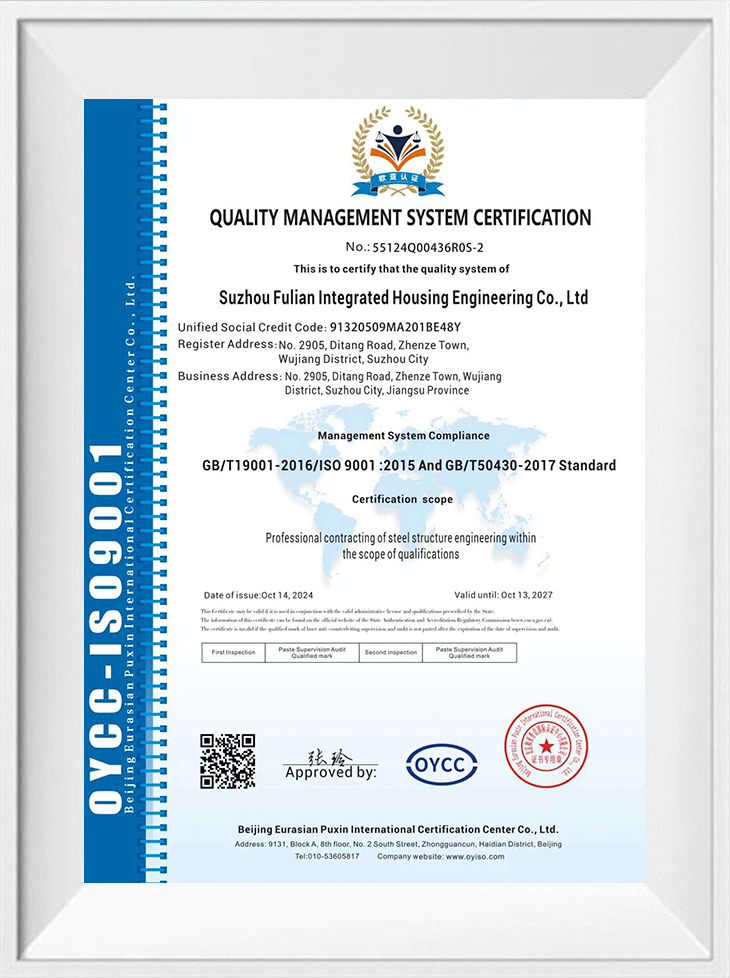
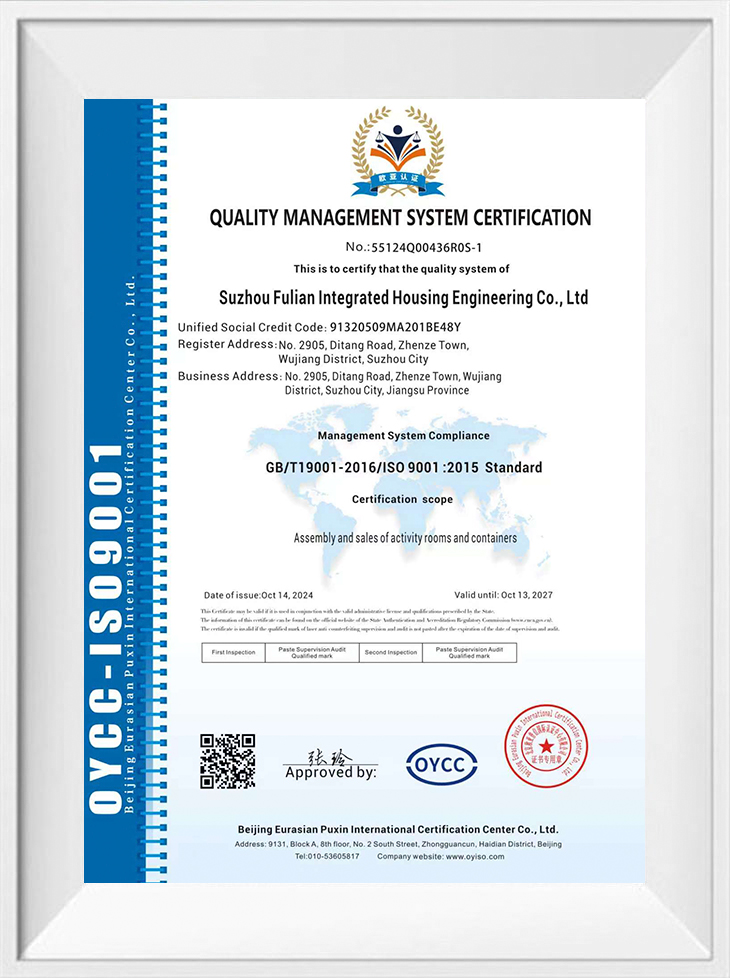
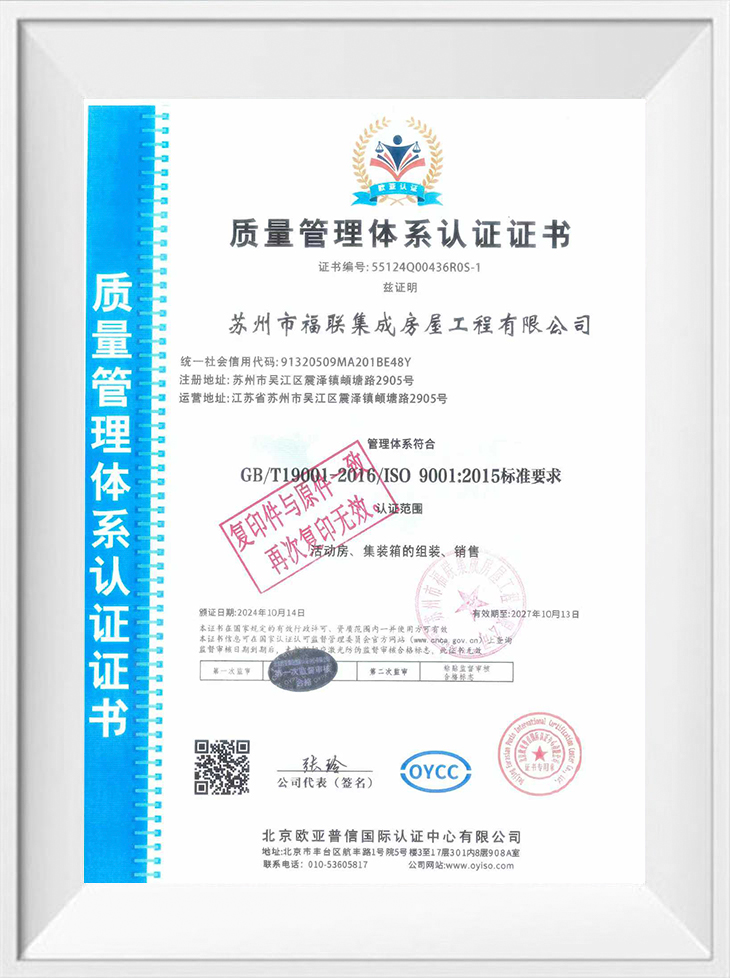
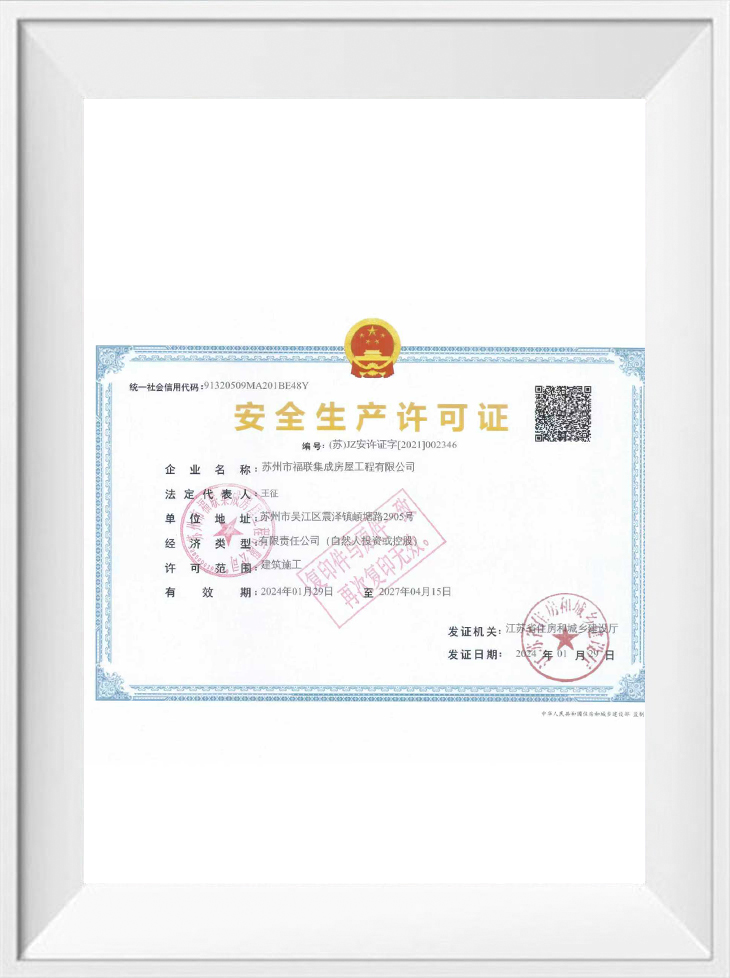
Suzhou Shengtu Integrated Housing Co., Ltd. is well-known China Portable Toilet/Bathroom suppliers and Portable Toilet/Bathroom company, mainly engages in prefabricated modular houses, packaged modular houses, integrated houses, steel structure projects, and color steel sheet houses. Formerly known as Suzhou Fulian Integrated Housing Engineering Co., Ltd., the company has engaged in domestic trade for 7 years, mainly undertaking government projects. In 2026, it adopted the new corporate name Suzhou Shengtu Integrated Housing Co., Ltd. to build an overseas business platform. The company is equipped with a complete set of modular house production line equipment, including fully automatic cold bending forming equipment, automatic coating line, stamping profile production line, and a complete set of supporting equipment. The production process is standardized and mold-based, ensuring high-quality and reliable product safety. Since the establishment of the company, it has adhered to the principle of "honesty as the foundation, customer first", and based on the business and sales concept of "quality as the foundation, precise and meticulous", it strives to provide customers with comprehensive high-quality services, while also enabling the company to achieve significant development. The company specializes in the production and sales of various lightweight color steel houses, integrated houses, and packaged boxes as a diversified company. The company has a rich quality monitoring system, organizing design, production, and installation strictly in accordance with national standards and technical specifications. It continuously innovates itself, creating a series of representative excellent projects, which have received wide acclaim from the industry. The company adheres to the quality policy of "unwavering quality pursuit, everything for the customer", regards quality, service, and reputation as the life of the company, and considers improving the quality of employees as the greatest core driving force for the company's development.
The company has recently launched packaged box-type houses. Since their introduction to the market, they have been widely recognized in various fields. This product integrates unitization and modularization, featuring clean and environmentally friendly, long service life, convenient installation, and wide application fields. It is widely used in construction, railways, highways, water conservancy projects, power, outdoor oil and coal mining, tourism, and military camping, etc. The sealing, insulation, waterproofing, moisture resistance, corrosion resistance, fire resistance, and aesthetics of this product are superior to the original color steel houses in terms of these aspects.
"Seeking survival through quality, seeking development through service, and seeking benefits through management" is the company's adhered policy. "Collaboration and mutual assistance, dedicated dedication" is the company's team concept. Establishing an "people-oriented, technological innovation" corporate culture is the company's unremitting pursuit goal. All the company's employees are dedicated to serving you.

Portable Toilet/Bathroom Suppliers
Portable Toilet: Mobile and easy to install, widely used in outdoor settings, temporary venues, and as sanitary restrooms in scenic areas.
Portable shower cabin: A mobile, waterproof, integrated unit designed for bathing facilities in construction sites, outdoor areas, and temporary zones. These modular, unattended toilet units feature integrated wastewater treatment systems, restroom facilities, and equipment management rooms. This recyclable, portable innovative circular toilet solution completely resolves wastewater discharge challenges for restrooms and showers, making it particularly suitable for remote areas. Additionally, it enables the reuse of treated water, thereby reducing environmental pollution and significantly conserving water resources.
-
 2026-10-05
-
2026-09-28
-
2026-09-23
-
2026-09-14
1. Executive Summary & Industry Overview
In the modern international commercial construction, civil engineering, and remote site management sectors, the adoption of off-site prefabricated construction methodologies has transformed from an innovative alternative into a strategic industry standard. Among all off-site modular components, sanitary and hygiene infrastructure—specifically Prefabricated Modular Toilets and Integrated Modular Bathroom Units—represents one of the most technically demanding, quality-sensitive, and mission-critical engineering segments.
Traditionally, site-built ablution blocks and public sanitary facilities present significant operational challenges. On-site wet construction (masonry, tiling, multi-trade plumbing, waterproofing, electrical installation, and surface finishing) is notoriously labor-intensive, weather-dependent, and prone to quality inconsistencies. Common site-built issues such as joint leaks, inadequate thermal insulation, concrete cracking, and extended commissioning cycles often delay overall project handovers and increase long-term maintenance overheads.
Prefabricated modular toilet and bathroom systems resolve these operational bottlenecks by shifting up to 90% of the fabrication process from the outdoor construction site into a controlled factory environment. By combining cold-formed steel frames, anti-corrosive sandwich panels, integrated molded floor trays, and pre-tested plumbing manifolds, modular sanitary units deliver rapid deployment, superior structural stability, exceptional service life, and rigorous environmental compliance.
2. Technical Architecture & Manufacturing Engineering
A high-performance modular bathroom pod or portable ablution complex is a precision-engineered system built to withstand dynamic transport stress, aggressive micro-climates, and heavy daily public usage.
2.1 Structural Frame & Cold-Bending Forming
The structural backbone of a commercial-grade modular toilet relies on high-strength galvanized steel profiles. Utilizing automated cold-bending forming equipment, structural base frames, roof purlins, and corner columns are rolled with extreme precision. This guarantees strict dimensional tolerances (within ±0.5mm), ensuring flawless stackability and structural alignment for multi-story installations or large-scale camp combinations.
2.2 Advanced Thermal Insulation & Wall Panels
Rather than using basic single-layer steel sheets, modern prefabricated restrooms incorporate high-density sandwich wall panels tailored to diverse geographic conditions:
- Hydrophobic Rock Wool Core: Offers A1-grade non-combustible fire protection and excellent soundproofing—vital for high-density mining camps, temporary dormitories, and public parks.
- Polyurethane (PU/PIR) Rigid Foam Core: Provides industry-leading thermal insulation values (thermal conductivity as low as 0.022 W/m·K), preventing condensation and thermal bridging in sub-zero or tropical climates.
- Surface Finishes: Fluorocarbon (PVDF) or silicon-modified polyester (SMP) prepainted galvanized steel sheets protect against salt spray, chemical cleaners, and UV radiation.
2.3 Integrated Waterproofing & Plumbing Engineering
Waterproofing integrity is paramount in modular bathroom engineering. Advanced units employ a multi-barrier defense strategy:
- Monolithic Chassis & Flashing Upstand: The floor chassis incorporates a continuous raised edge around the perimeter, eliminating wall-to-floor seams where leakage typically occurs.
- Anti-Slip Floor Finish: Heavy-duty patterned aluminum plates, textured stainless steel, or cement-fiber boards topped with non-slip vinyl sheets ensure user safety (R11 anti-slip standard) and structural load capacity.
- Pre-Engineered Plumbing Circuits: Factory-installed PPR/PEX pressure pipes for water distribution and heavy-duty PVC/HDPE drain lines. All pipelines undergo a 24-hour hydrostatic pressure test at 0.8 MPa prior to shipment.
3. Technical Comparison: Traditional Site-Built vs. Shengtu Modular Units
The following comparative evaluation highlights why global EPC contractors and commercial buyers are transitioning to prefabricated modular ablution units:
| Performance Vector | Traditional Site-Built Sanitation Facilities | Shengtu Packaged Modular Toilet & Bathroom Units | Commercial & B2B Impact |
|---|---|---|---|
| Construction Timeline | 4 to 8 weeks on-site; requires multi-trade scheduling | 1 to 3 days on-site assembly; simple plug-and-play hookups | 75%–85% reduction in site installation time; faster mobilization. |
| Quality Control | Variable; heavily dependent on local site labor skill | Standardized mold-based factory production; automated lines | Zero craftsmanship defects; uniform finish across hundreds of units. |
| Waterproofing Integrity | High risk of liquid membrane breakdown & floor joint leaks | Monolithic floor pan, raised perimeter flashing, factory hydro-tested | Prevents sub-floor rot, dampness, and costly long-term repairs. |
| Fire & Thermal Rating | Inconsistent insulation placement; non-rated site materials | Class A fire-rated rock wool / PIR sandwich panels; zero thermal bridges | Substantial HVAC energy savings; full safety code compliance. |
| Corrosion Resistance | Unprotected structural joints rust rapidly in wet environments | Hot-dip galvanized frame + automated electrostatic coating | Long service life (15–20+ years) even in coastal or humid settings. |
| Relocability & Reuse | Fixed permanent structure; destroyed during site decommissioning | 100% demountable or liftable as a complete unit via crane/forklift | Reusable across multiple projects; significantly lowers long-term CAPEX. |
4. Key B2B Application Scenarios
Prefabricated modular toilet and bathroom complexes are adaptable to a broad spectrum of commercial, industrial, and public applications:
4.1 Construction, Civil Engineering & Mega Projects
On large-scale civil engineering projects (highways, railways, bridges, and skyscraper developments), providing durable, hygienic sanitation facilities is mandatory for occupational health and safety compliance. Modular multi-stall container restrooms and shower blocks offer high throughput, easy cleaning, and effortless relocation as work zones move.
4.2 Remote Oil, Gas & Mining Encampments
Resource extraction sites operate in extreme environments—from arid deserts to arctic tundra. Heavy-duty modular ablution units equipped with anti-freeze trace heating, heavy thermal insulation, and rugged structural frames provide workers with home-like sanitary comfort under harsh conditions.
4.3 Emergency Relief & Military Logistics
During emergency response situations, natural disaster recovery, or rapid military deployment, setting up hygienic facilities quickly is vital to prevent waterborne diseases. Flat-pack modular toilets can be transported efficiently in high volumes and erected within hours.
4.4 Eco-Tourism, Parks & Commercial Venues
National parks, glamping resorts, athletic arenas, and outdoor event venues require aesthetic, low-impact sanitary blocks. Custom exterior cladding (such as WPC wood-plastic composites or decorative architectural panels) allows modular restrooms to blend seamlessly into natural landscapes without requiring permanent concrete foundations.
5. Why Partner with Suzhou Shengtu Integrated Housing Co., Ltd.?
Formerly known as Suzhou Fulian Integrated Housing Engineering Co., Ltd., our company accumulated 7 years of rich domestic trade experience, successfully undertaking major government infrastructure projects. In 2026, we adopted our new corporate identity, Suzhou Shengtu Integrated Housing Co., Ltd., to build a specialized, direct-export platform for global B2B clients, EPC contractors, and international distributors.
Our Core Manufacturing Capabilities & Competitive Advantages:
- State-of-the-Art Automated Production Lines: Our factory is equipped with a complete modular house manufacturing infrastructure, including fully automatic cold-bending forming machines, automated electrostatic powder coating lines, profile stamping lines, and precision tooling molds. Every component is produced under strict standardized tolerances.
- Integrated Packaged Box (Flat-Pack) Innovations: Our newly launched packaged box-type houses and modular sanitary pods integrate unitization and modularization principles. They deliver vastly superior sealing, thermal insulation, waterproofing, moisture resistance, fire resistance, and visual elegance compared to traditional color steel houses.
- Rigorous Quality Monitoring System: Adhering to our quality policy of “Unwavering quality pursuit, everything for the customer,” we execute multi-stage quality control from raw steel chemical inspection to final factory water-leakage and electrical safety testing.
- Tailored Engineering & Customization Support: We provide comprehensive CAD/BIM layout design, customized sanitary fixture selection (squat pans, water-saving flush toilets, sensor faucets, ADA handicap stalls, solar hot water integration), and optimized container loading plans to minimize ocean freight costs.
- Customer-Centric Business Philosophy: Guided by our core policy—“Seeking survival through quality, seeking development through service, and seeking benefits through management”—we operate as a dedicated engineering partner dedicated to your project’s long-term success.
6. Frequently Asked Questions (FAQ) for B2B Procurement
Q1: How are water supply, drainage, and waste management handled in off-grid or remote sites?
Answer: Shengtu modular toilets feature flexible utility connections. For urban sites, they connect directly to municipal water supply and sewer networks via quick-connect external pipe flanges. For off-grid or remote campsites, units can be integrated with overhead clean-water storage tanks, under-chassis black-water holding tanks, or connected to mobile septic treatment plants.
Q2: Can internal layouts and fixtures be customized to comply with regional building codes (e.g., ADA, CE, AS/NZS)?
Answer: Yes. As a direct manufacturer, Shengtu customizes internal configurations to meet client-specified international standards. We offer ADA-compliant barrier-free stalls, water-saving plumbing fixtures, regional voltage-compliant electrical systems (110V–240V, CE/UL/SAA certified wiring), and custom stall partitions (e.g., combined toilet-shower units, gender-separated multi-stall layouts).
Q3: How are modular toilets packaged and shipped to reduce international shipping costs?
Answer: We utilize an optimized “Packaged Box” (Flat-Pack) shipping configuration. Up to 4 flat-packed modular units are bundled into standard ISO 20ft container dimensions, or up to 8–10 un-assembled units can be loaded into a single 40ft High Cube (40HQ) ocean container. This reduces ocean freight expenses by up to 60% compared to shipping fully assembled volumetric units.
Q4: What rust-proofing measures are applied to ensure longevity in high-humidity bathroom environments?
Answer: All structural steel members are hot-dip galvanized and finished with automated electrostatic powder coating, forming a double-layer protective barrier against humidity and chemical corrosion. Wall panels feature prepainted galvanized steel (PPGI) with hydrophobic cores, while floor structures utilize anti-corrosive aluminum checker plates or fiber cement boards sealed with heavy-duty anti-microbial PVC floor mats.
Q5: What is the expected design service life and warranty period for Shengtu modular bathroom units?
Answer: Shengtu packaged modular toilet and bathroom units are engineered for a structural design life of 15 to 20+ years under standard operating conditions. We offer comprehensive structural warranties along with long-term technical support and replacement parts availability for international projects.
Get In Touch
If you have any questions or suggestions, please leave us a message.
Copyright © Suzhou Shengtu Integrated Housing Co., Ltd. All Rights Reserved
PrivacyWholesale Portable Toilet/Bathroom Suppliers
